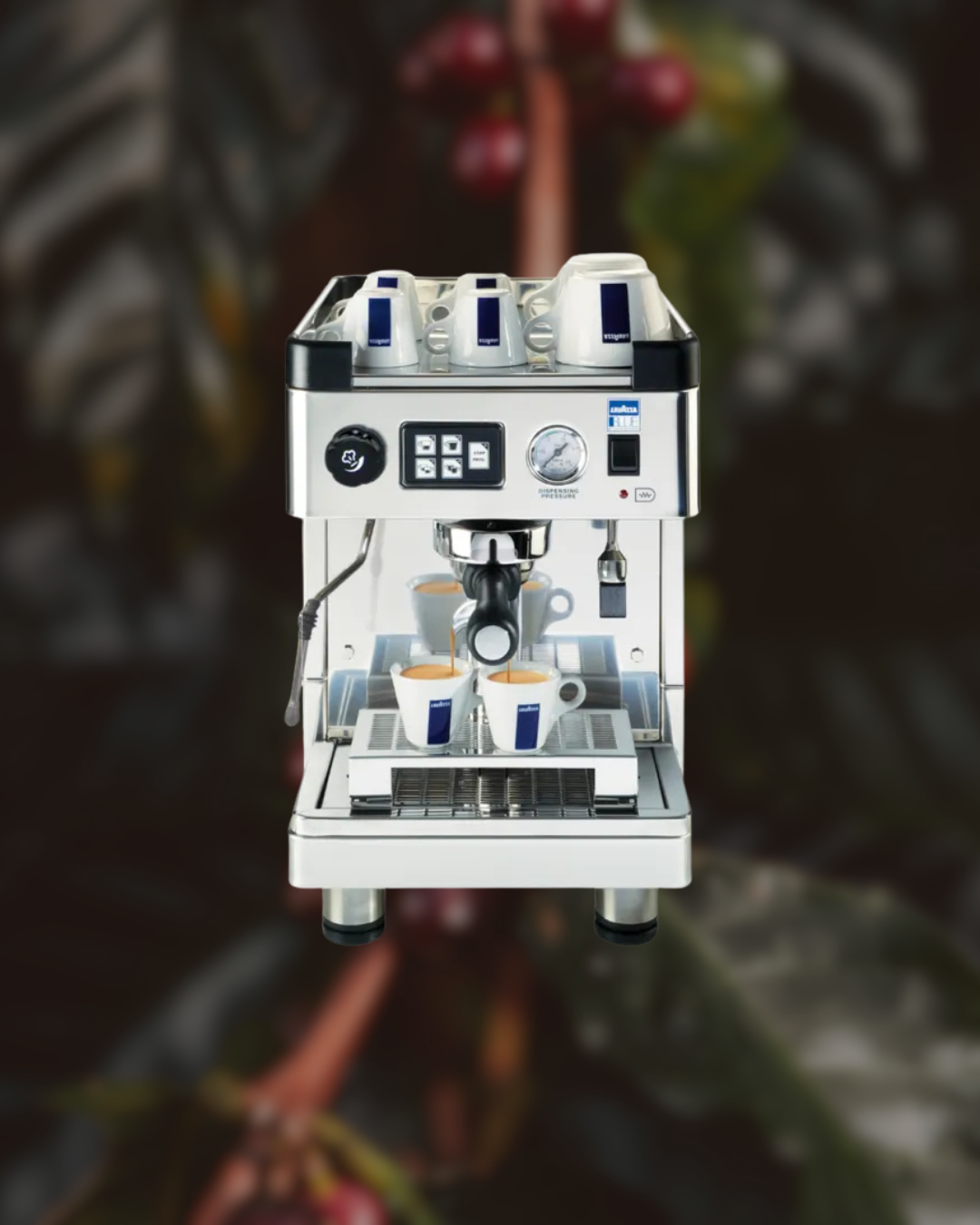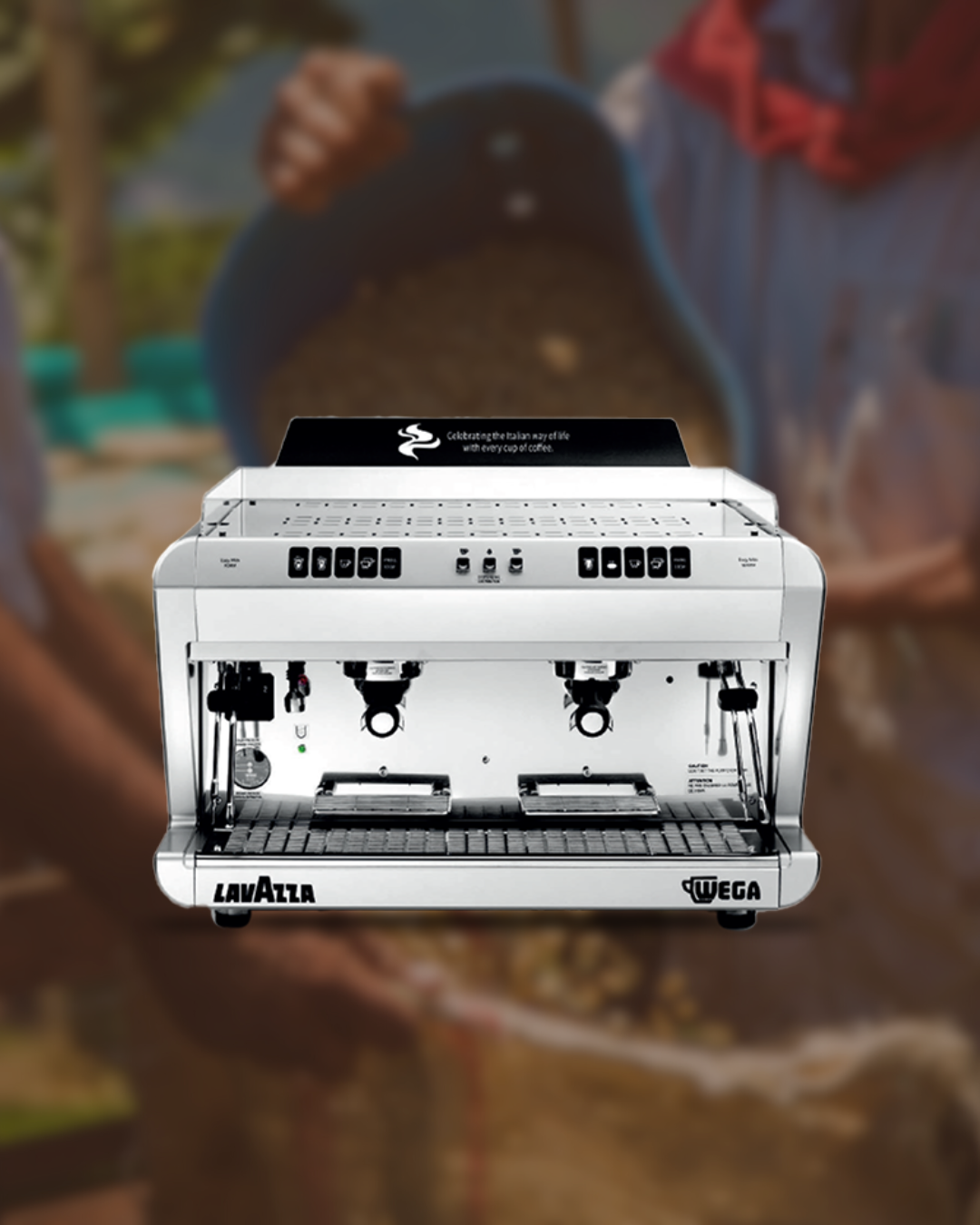
Lavazza, the Italian coffee specialist, select the finest quality beans at their source in exotic locations around the world and then prepares premium coffee blends that are ideal for use in professional espresso machines. This attention to detail is the secret behind lavazza’s guarantee of consistent in-cup excellence..
Roasting defers from country to country. In European countries the beans are usually roasted to a “monk’s cowl” brown.
Each roaster uses their blend, usually made up of three to eight types of green coffee.
The beans are roasted at temperature of 200-220c, the process taking from ten to fifteen minutes.
During this phase internal gasses swell the beans, and cause an increase of volume of about 60% with a weight loss of 20%.
“There are about 600 volatile aromas in one coffee bean.”
The chemical composition of unroasted coffee is as follows:
Water……………………………………………………..12%
Nitrogenous substance …………………………..12%
Sugar and Dextrin…………………………………..10%
Cellulose………………………………………………….24%
Non-nitrogenous extractive substances….18%
Ash………………………………………………………… 4%
Caffettannin acid…………………………………….6.7%
Caffeine…………………………………………………..1.2%
Essential oils…………………………………………..0.1%
After roasting there is a substantial decrease in the water percentage which is the principle cause of weight loss. The roasted coffee must not be exposed to air for long because the fatty substances turn rancid resulting in an “off-taste” in the cup. Coffee’s aroma is given by volatile substances trapped inside the bean, so the methods of grinding and preserving the coffee are fundamental to obtain a good cup of espresso coffee. 
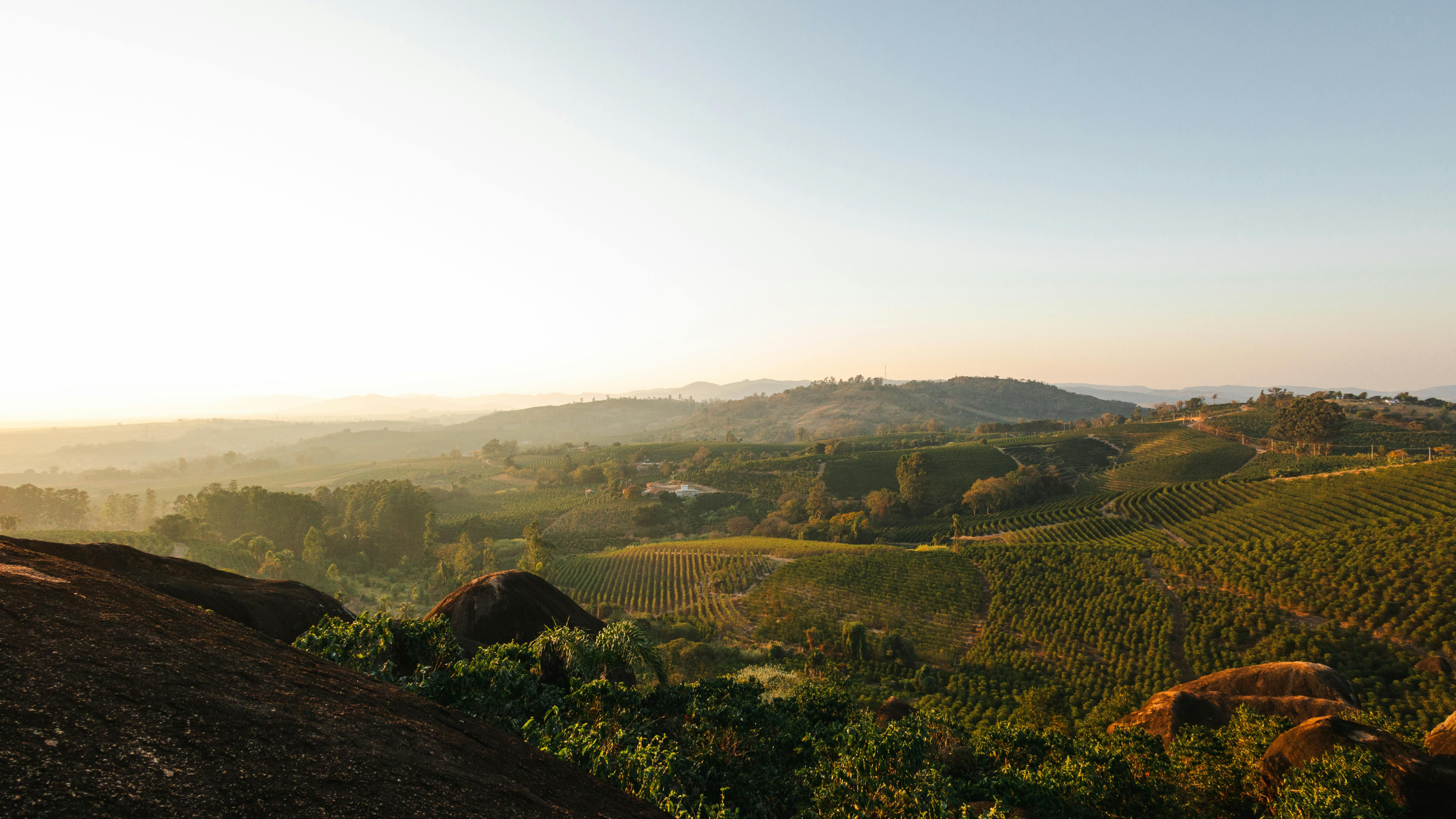
Coffee is the seed of a tropical plant of the Rubiaceae family. It’s grown at an altitude of between 400 and 2000 meters and at a temperature of between 20 and 25 C. About 60 species of coffee are grown but the most commonly used all over the world are Arabica and Robusta.
Arabica is the most valued for its aroma whereas Robusta gives body to the coffee. The Arabica beans are flat and elongated while Roberta’s are small and rounder. A coffee plant can grow up to eight meters high. It produces a cherry-like fruit which turns bright red when it is ripe. It contains two seeds covered with a thin silvery membrane; these are the coffee beans.
The berries are harvested by hand, gathering only the ripe ones, or mechanically, but picking the unripe berries too and so producing unevenly mixed batches of the crop. The berries are treated with two different processes: dry and wet, in both cases the beans are separated from the pulp and impurities. The coffee beans are then packed in 60 kilo bags and sold all over the world.
Copyright © 2010 -Webdesign & Development By NUZZLEDOT - All rights reserved.